Exoplanet Detection and Characterisation
Developing instruments and using astronomical observations to detect and characterise exoplanets, in order to map the full diversity of planetary systems and search for planets which may host life.
Searching for and studying exoplanets — planets orbiting other stars than
the Sun is vital to place the Earth and the Solar System in their broader cosmic context, to map out the
full diversity of outcomes of the planet formation process, and to find out where else in our Galactic
neighborhood might be home to life. Oxford Physics is home to astronomers and planetary scientists who
use ground- and space-based telescopes to detect exoplanets, including (but not restricted to) those
that may host life, and study them in detail.
Exoplanets, particularly those that may host
life, are challenging to observe remotely, because they are small, faint and buried in the glare of
their host stars. Astronomers must use ingenious indirect techniques or extremely powerful instruments
to detect them. In Oxford we design and build instruments for the world’s largest telescopes and for
space missions dedicated to exoplanet characterisation. We are strongly involved in upcoming surveys
using the transit and radial velocity methods, particularly the European Space Missions’s PLATO mission
and the ground-based Terra Hunting Experiment, which aim to discover nearby Earth-analogues over the
coming decade. We use low and high-resolution spectroscopy from ground and space-based telescopes such
as VLT, ELT, JWST and ARIEL, to study the atmospheres of both giant and rocky planets in detail,
measuring their composition, structure, dynamics and variability. We develop and test strategies to
search for atmospheric markers of habitability and biological activity on distant exoplanets. We also
work with Breakthrough Listen, a privately funded initiative hosted by Oxford Astrophysics, to search
for radio and spectroscopic technosignatures on distant worlds.












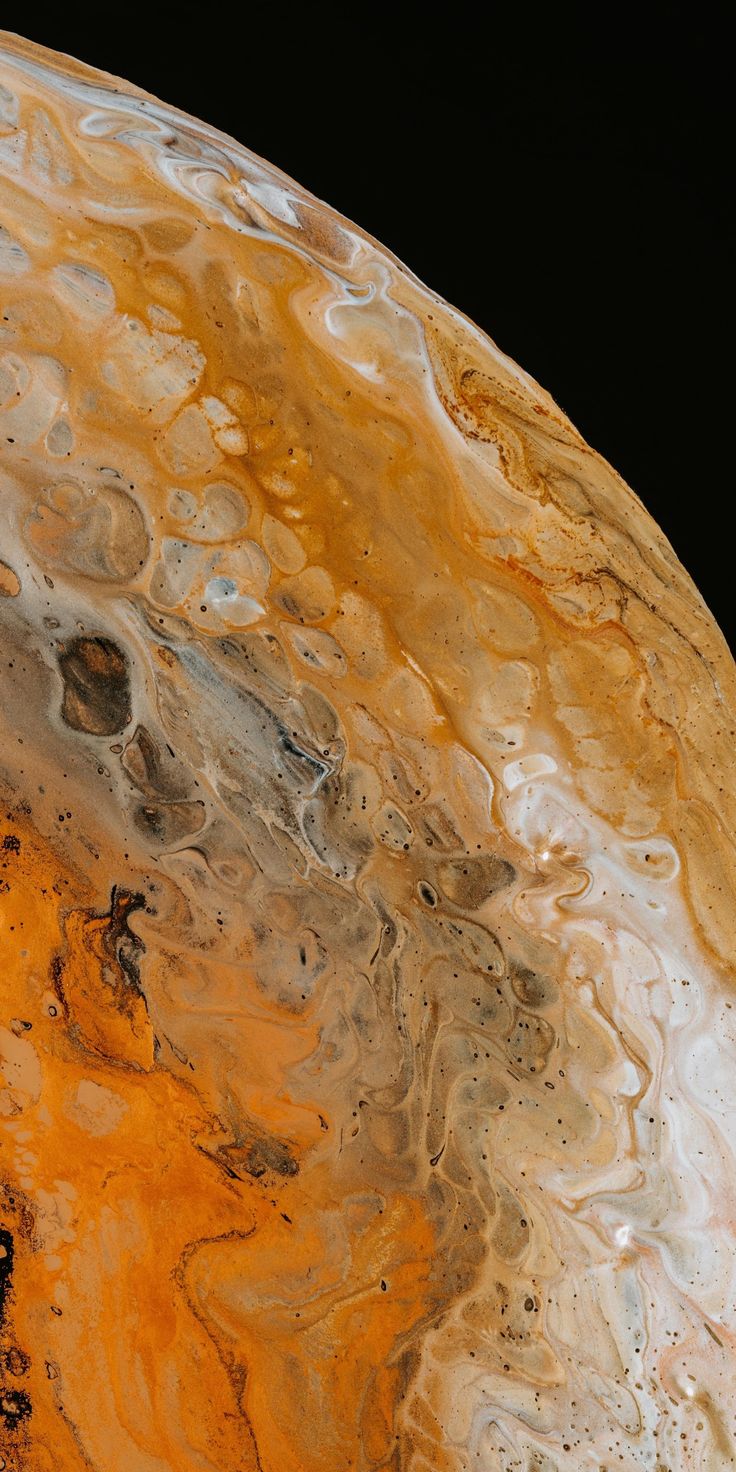
Solar System Exploration
Systematically exploring the environments of worlds where life might exist — or once have thrived — within our Solar System, through a combination of theory, experiment, instrument development and spacecraft exploration.
Understanding where life can exist outside of the Earth cannot be achieved
without exploration. It informs on where conditions conducive to life might exist, and the individual
opportunities and challenges to life’s evolution each of these worlds presents. At the University of
Oxford, the Planetary Group conducts pioneering research into the origins, evolution, and potential
habitability of worlds across our solar system.
Our research combines planetary physics,
surface and sub-surface modelling of icy and rocky worlds, atmospheric chemistry and dynamics, and
advanced instrumentation development to investigate the fundamental conditions of worlds across our
solar system. This is achieved through the analysis of data taken by ground- and space-based telescopic
observations, instrument development and operations, and through collaboration with a range of
instruments/missions. The inhouse instrumentation development includes designing, building and
calibrating spectrometers, imagers, and detectors able to constrain surface and atmospheric environments
of worlds across the solar system. Our data collaborations extend to a range of spacecraft missions
(e.g. JUICE, Europa Clipper, Mars Express, Lucy, New Horizons, Cassini and more) and telescopic
observations (e.g. JWST) to cover our Moon, Mars, the atmospheres of the Gas and Ice Giants and the
surfaces of their icy moons (notably Enceladus and Europa), asteroids, comets, Kuiper Belt Objects and
beyond.









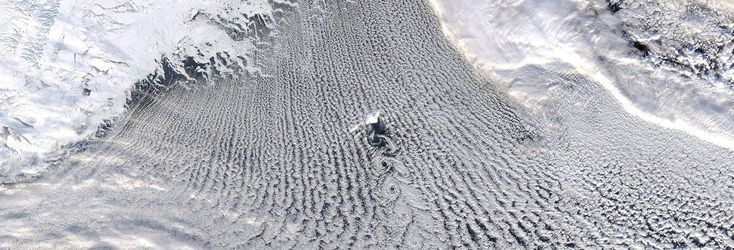
Planetary Climate
Studying the processes that govern the evolution of planetary climate over time in order to predict where environments that are conducive to the emergence and evolution of life persist throughout the universe.
Earth is the only known planet with abundant surface liquid water, which is
the primary requirement for the development of Earth-like life. Earth’s long-term habitability is
governed by intricate climate feedbacks that require an interdisciplinary and coupled understanding of
planetary atmospheres and geophysical evolution. We can study Earth’s climate and the broad range of
planetary climates by leveraging first-principles numerical simulations of fluid dynamics, radiative
transfer, and volatile cycling to interpret climate records, including geological proxy data for Earth
and satellite and telescopic observations for planets beyond Earth. The long-term goal of this study is
to place Earth’s climate in a galactic context and understand the fundamental mechanisms that regulate
planetary climate.
OPAL aims to ascertain the physical and biogeochemical processes that
govern the evolution of climate on Earth, paleo-Earth, Solar System planets and moons, and the diverse
panoply of exoplanets. To do so, we use a multi-disciplinary approach encompassing atmospheric dynamics,
radiative transfer, atmospheric chemistry, and geophysical evolution. This will enable us to assess
which planets can support the emergence and evolution of life, and better understand the co-evolution of
climate and life on Earth.











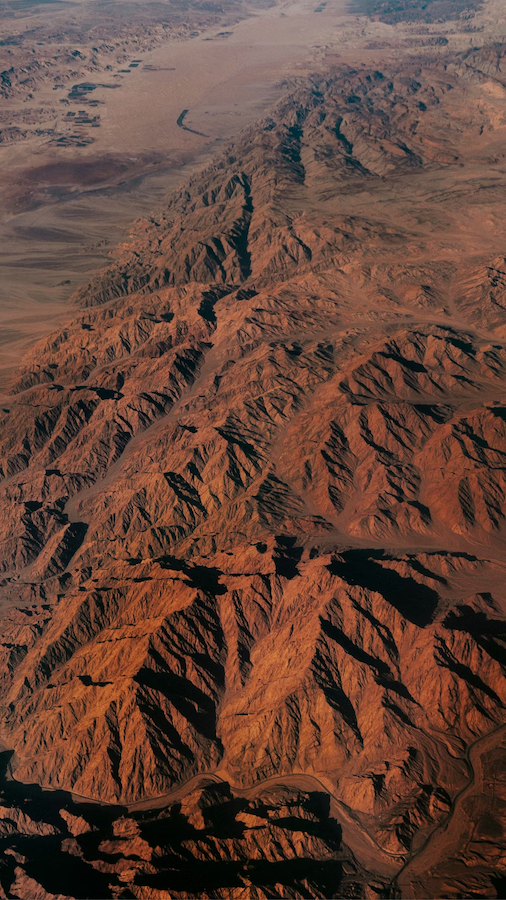
Geodynamics and Tectonics
Studying how planetary tectonics drives the recycling of materials and regulates the climate to create stable, habitable conditions that allow life to emerge and persist.
Earth is a tectonically active planet teeming with life, and has been for
many billions of years. By contrast, other rocky planets in our solar system show much less tectonic
activity and lack any evidence of extant or past life. It has thus been hypothesized by many researchers
that tectonics/planetary geodynamics and life evolved co-evally and are intricately linked together.
Understanding terrestrial and extraterrestrial tectonic processes is crucial for the search for life
beyond Earth, as these processes play a fundamental role in maintaining a planet’s habitability over
geological timescales. Plate tectonics drives the exchange of volatile components between the Earth’s
surface and interior, helping to stabilize the climate — a key requirement for sustaining liquid water
and, by conceivable extension, life. Ancient tectonic activity also generated a diverse set of
geological environments that are candidates for potential sites for the origin of life on Earth, and
could represent analogues for where life may have flourished on other rocky bodies in our solar system
and beyond. At Oxford, we combine field work with petrological modelling to understand Earth’s tectonic
activity, in the present and the deep past.
OPAL aims to understand how internal planetary
processes influence surface conditions, allowing us to assess which exoplanets may possess the dynamic
systems necessary to support life and making geodynamics a vital field in the broader search for
habitable worlds.







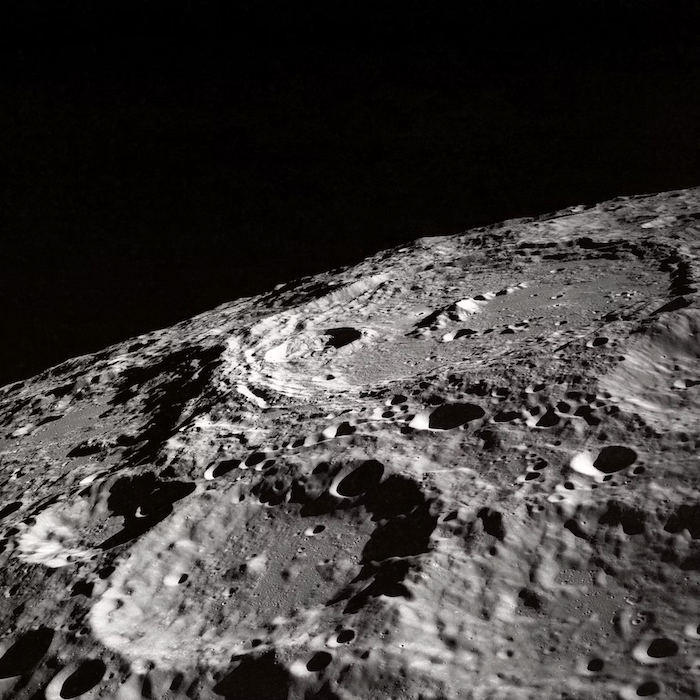
Planetary Materials
Deciphering Earth’s formative early history by measuring magnetic, isotopic, and chemical signatures in meteorites and ancient terrestrial samples.
The Earth is on a unique evolutionary pathway that has led to it becoming
the only known inhabited planet in the solar system. This pathway was initially set during Earth’s
formation and subsequent evolution throughout the Hadean and Archean (the first two billion years of
Earth’s history) until the rise of complex life. We can gain novel insights into these crucial time
periods by analysing both extraterrestrial and terrestrial samples. These samples include meteorites to
explore planetary formation, as well as ancient terrestrial samples to understand how conditions on the
surface have changed across our planet’s history. Samples are analysed using an array of techniques
including isotopic analysis, chemical analysis, paleomagnetism, and high-temperature–high-pressure
experiments. These approaches provide complementary insights into the timescales and processes involved
in planet building and early planetary evolution, such as core formation, the delivery of water, and the
shaping of an atmosphere.
OPAL seeks to improve our understanding of Earth’s formation and
early evolution by pushing the state-of-the-art using this multidisciplinary approach. Ultimately, this
will enable us to address questions such as why Earth appears to be uniquely habitable, and the
conditions available for the very earliest life forms.





Evolution and Energetics on Planetary Habitats
Working to understand how life evolved on our dynamic planet, to make predictions for where life might emerge and thrive across the Universe.
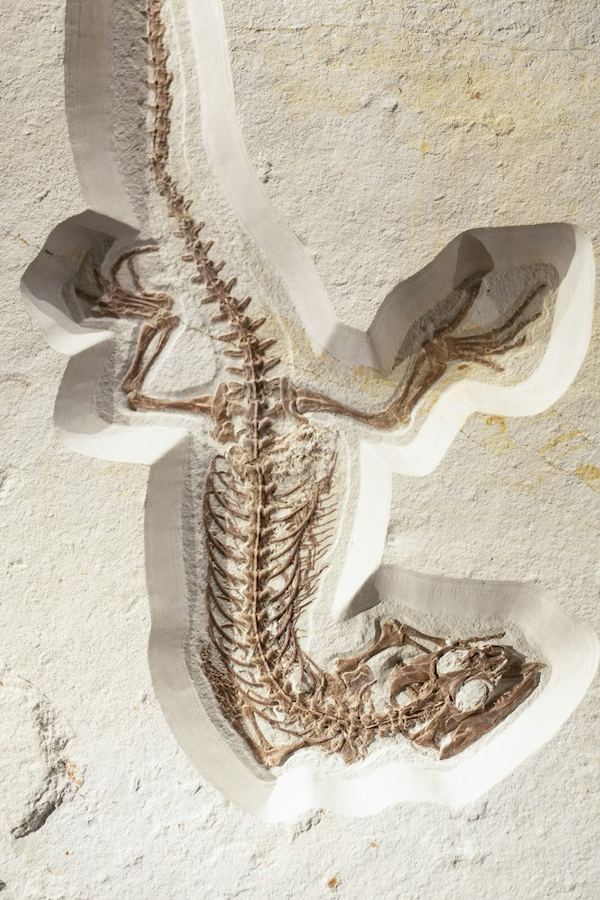
The emergence of life on a planet requires the presence of both suitable
‘biological building blocks’ and a conducive environment. But, as the natural history of our planetary
home shows, life once present may come to dominate the future evolution of a planet’s surface. Although
we cannot say exactly how, when, or where life emerged on Earth, we do know that it was present on
Earth’s surface over 4 billion years ago, and likely arose as liquid water interacted with the rocky
products of volcanic activity and planetary formation. The wonder of life is its adaptability; its
capacity to evolve, occupy new environments, and change the geological evolution of a planet’s surface.
On Earth, cyanobacterial waste products oxygenated our atmosphere, fundamentally altered the composition
of ancient seas, and led to significant mineral deposits of economically vital importance. Bacteria and
plants weather rocks and, in turn, deposit new rocks, the chalk and limestone of our buildings, and
mobilised elements that keep our sea alive. The complex interdependence between, on one hand, life and
the geological processes that allow transport of materials from the depths of our planet to the
biosphere, and on the other hand, the ability of modern life to adapt to even the harshest environments
are only recently becoming apparent. Although it is recognised that humans have the capacity to alter
our environment, we are just the most recent example of life’s four billion year experiment in
‘terraforming’ a planet.
Our scientific interests are almost as diverse as life itself; our
goal is to learn more about how our planet and life has co-evolved over geologic timescales. What might
this tell us of the probability of life in the Universe, the emergence of disease or the future
evolution of our planet?






Biometals and Chemical Habitability
Studying how life and availability of biometals interact, shaping the environment and influencing habitability.
If we time-travelled to 3 billion years ago, we wouldn’t recognise our
planet as our home. The absence of oxygen meant the sky was a hazy orange and Earth’s seas, full of
dissolved iron, were green, and life on land was simply bacterial. This harsh environment is where
life’s basic biological ‘programming’ was defined. However, life itself then altered the biosphere, and
metals were key to this process. Nitrogen fixation and photosynthesis transformed biological
productivity, and, over time, changed the chemistry of the oceans and atmosphere. Metals, as critical
co-factors for enzymes (e.g., nitrogenases, hydrogenases) and processes (e.g., photosynthesis,
tricarboxylic acid cycle), were utilised as life developed. However, changes in the biosphere caused by
life, such as oxygenation, altered metal bioavailability (less iron, more molybdenum), generating huge
selection pressures and compensatory adaptations. ‘Battles’ for rare vital metal cofactors between
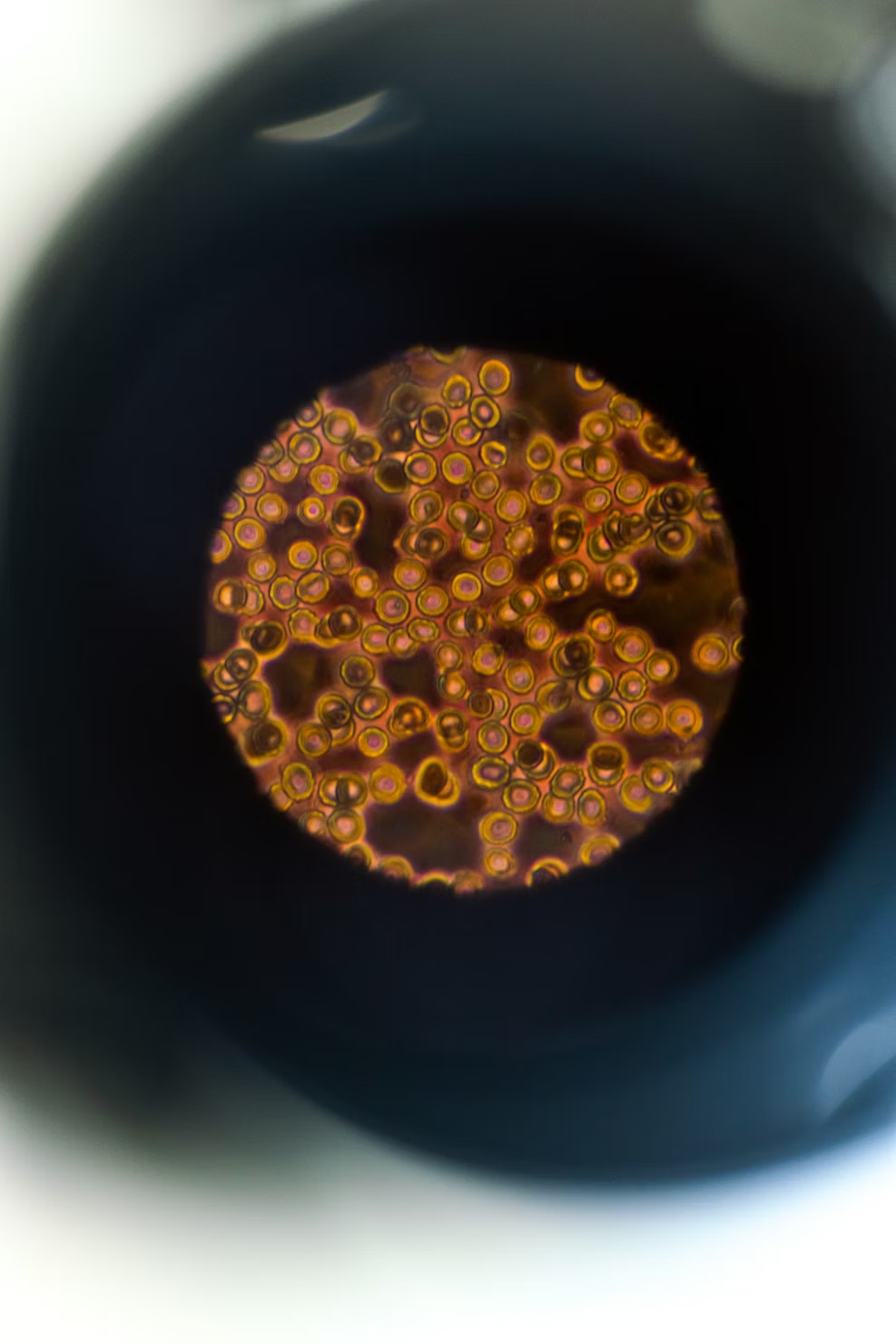
life-forms began, with ecological consequences. To understand these processes, we quantify and track
biometals in bacteria, algae and more complex organisms in experimental and field settings. We seek to
understand how metal co-factor availability for life influences planetary habitability.
OPAL
aims to study how metal availability shapes life, via effects on metabolism and biological processes,
that in turn affect the biosphere and influence evolution.