Gallery
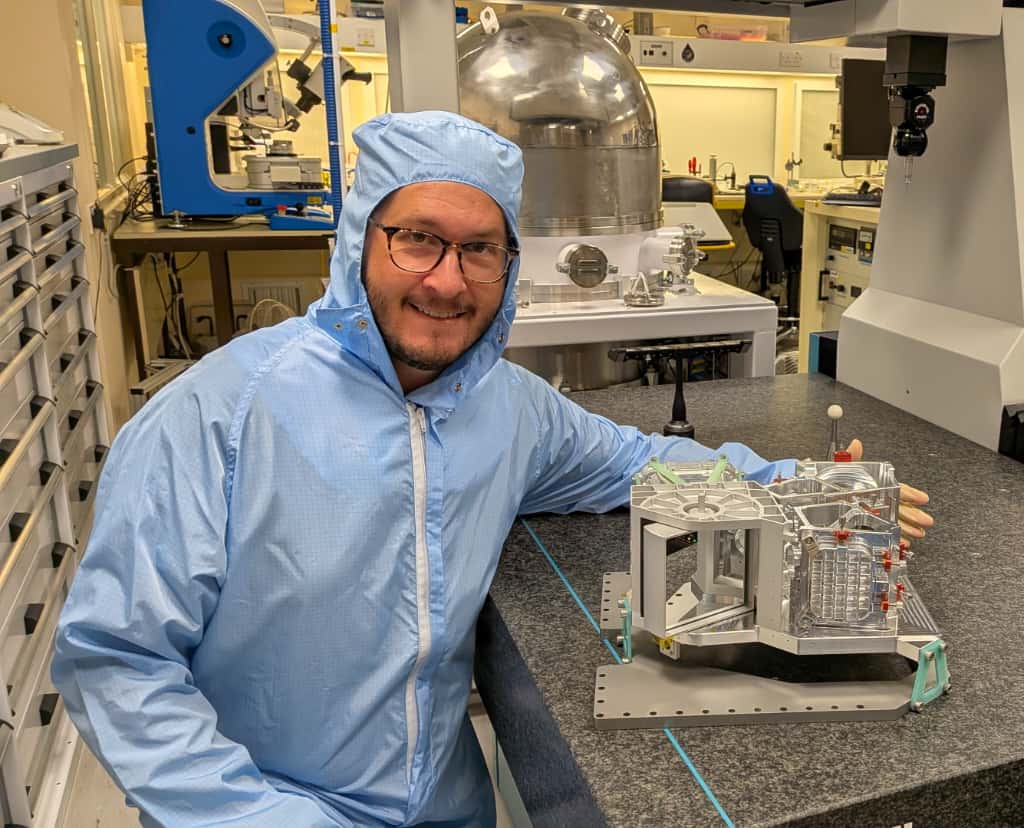
Demonstration model for BEBOP, selected for ESA’s LightShip missions to Mars, pictured with PI Kevin Olsen.
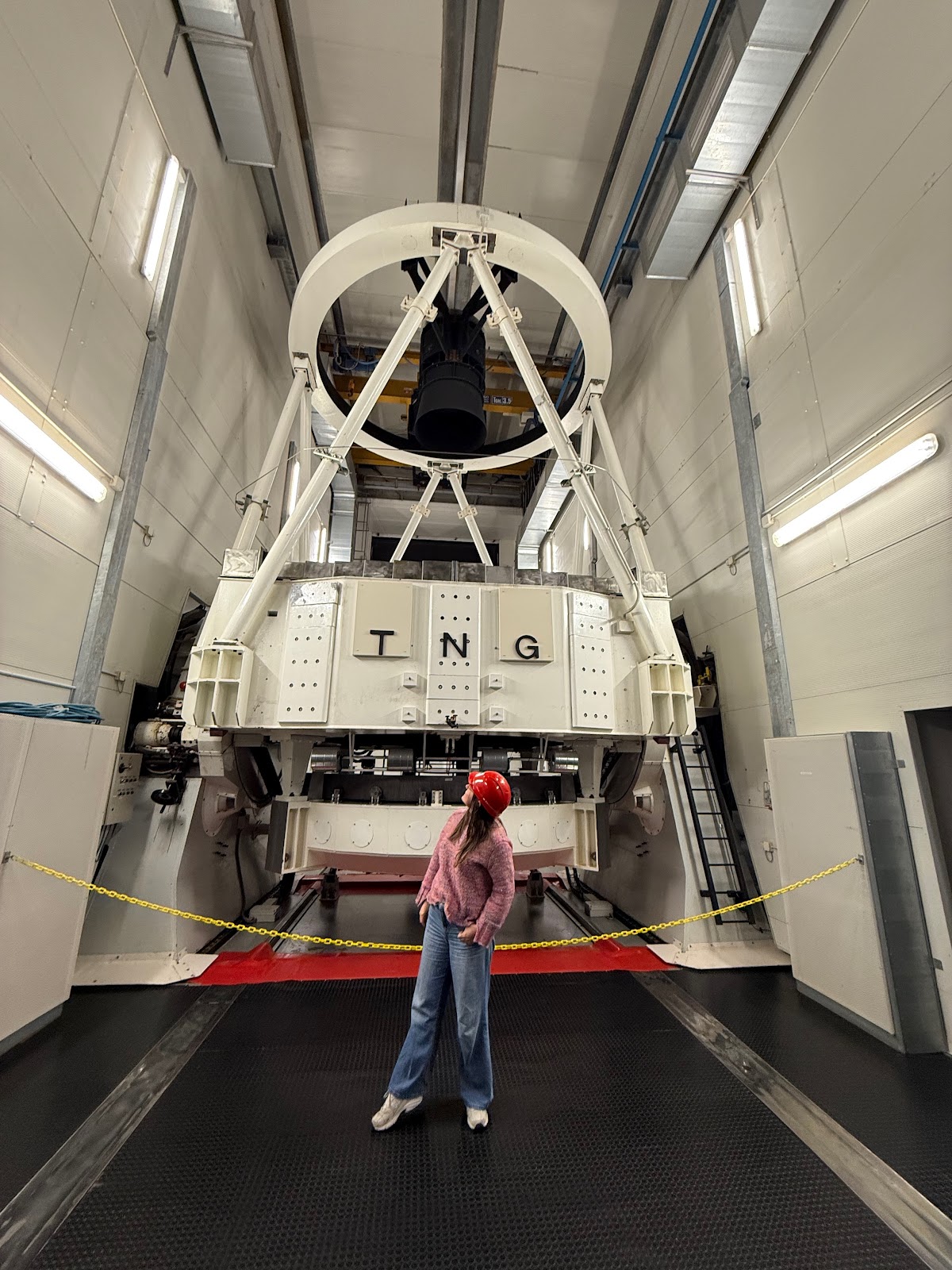
DPhil Student Niamh O’Sullivan in front of the TNG – a 3.58 m telescope in La Palma which houses the HARPS-N Spectrograph, used for detecting exoplanets.
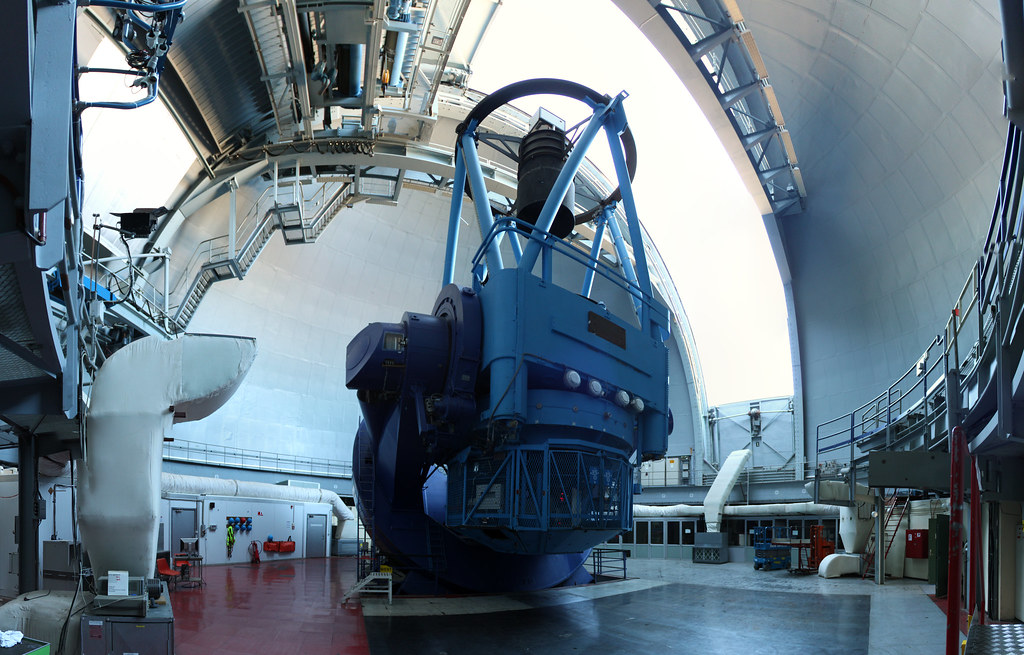
Los Morros interior. Credit: Oscar Barragán
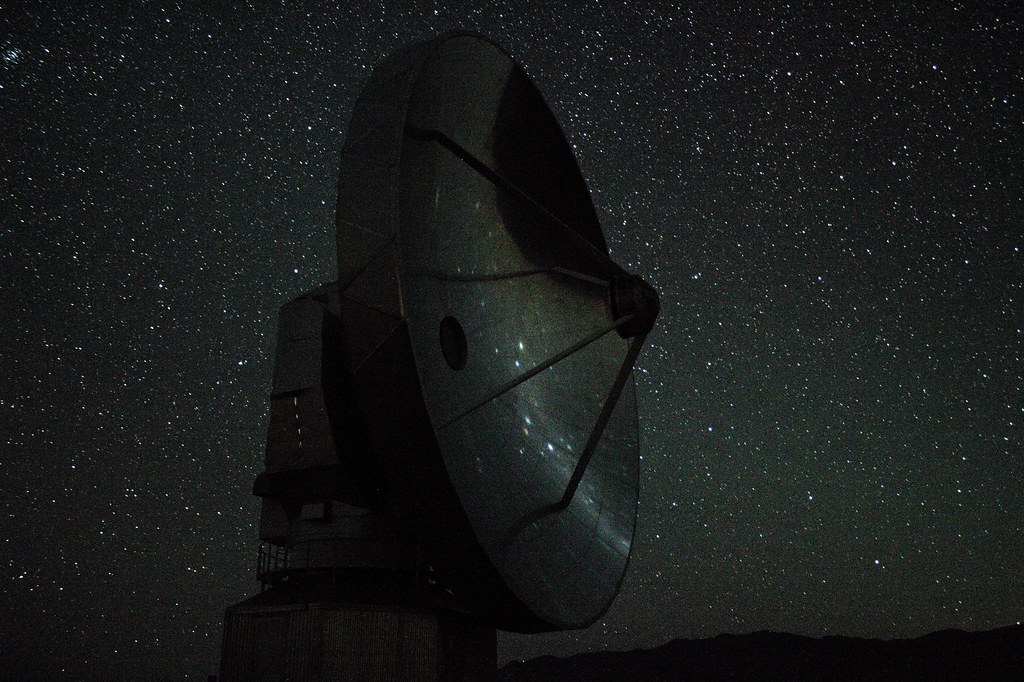
Swedish–ESO Submillimetre Telescope. Credit: Oscar Barragán
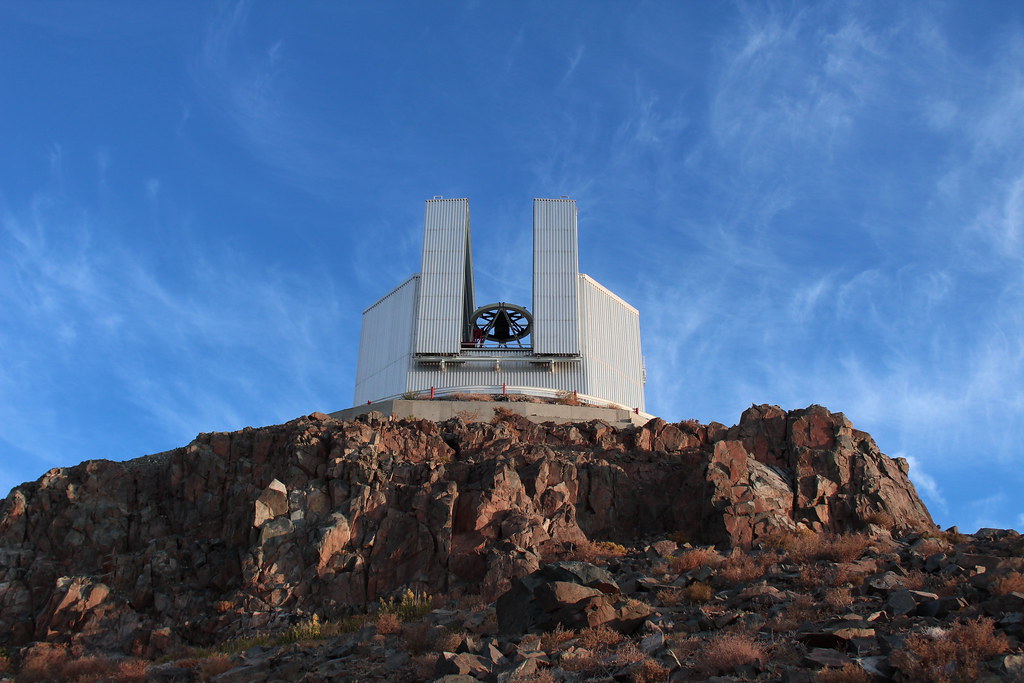
New Technology Telescope (NTT). Credit: Oscar Barragán
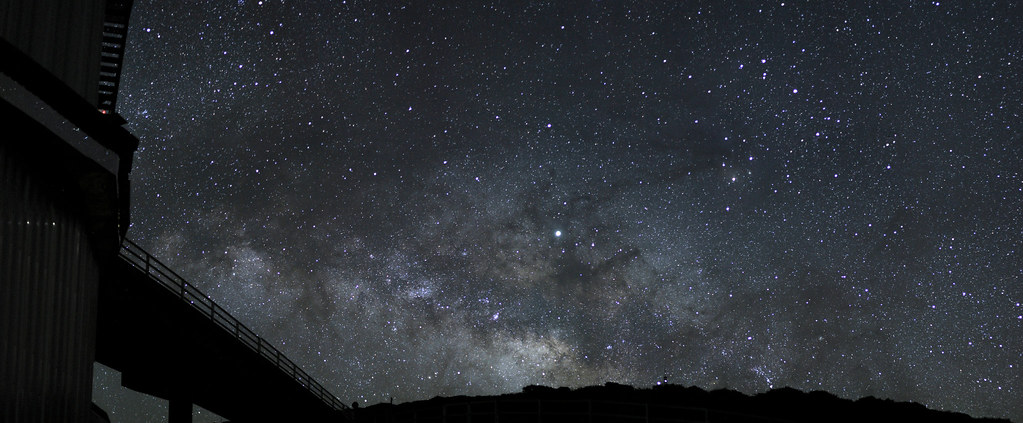
Telescopio Nazionale Galileo. Credit: Oscar Barragán
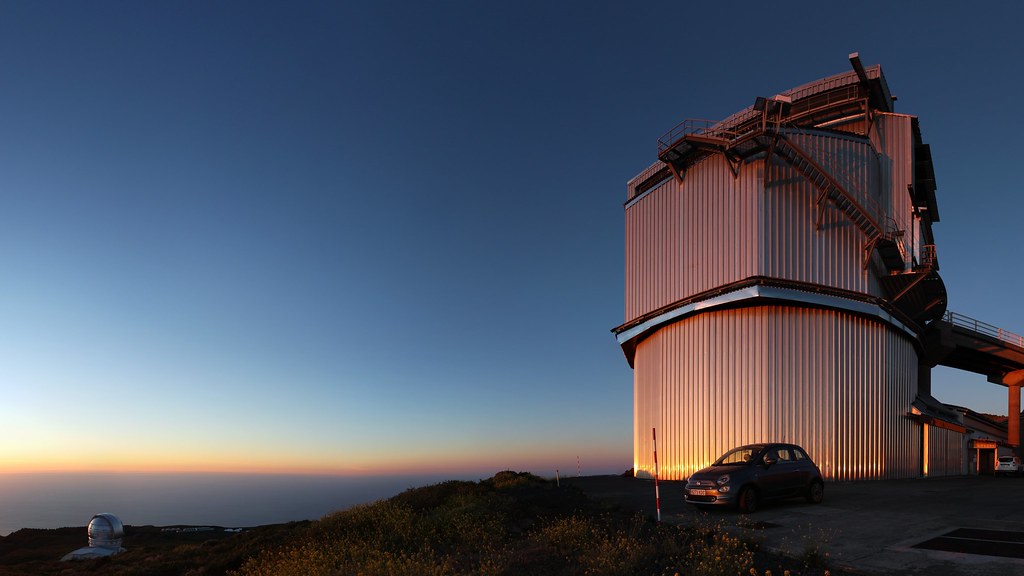
Atardecer canario. Credit: Oscar Barragán
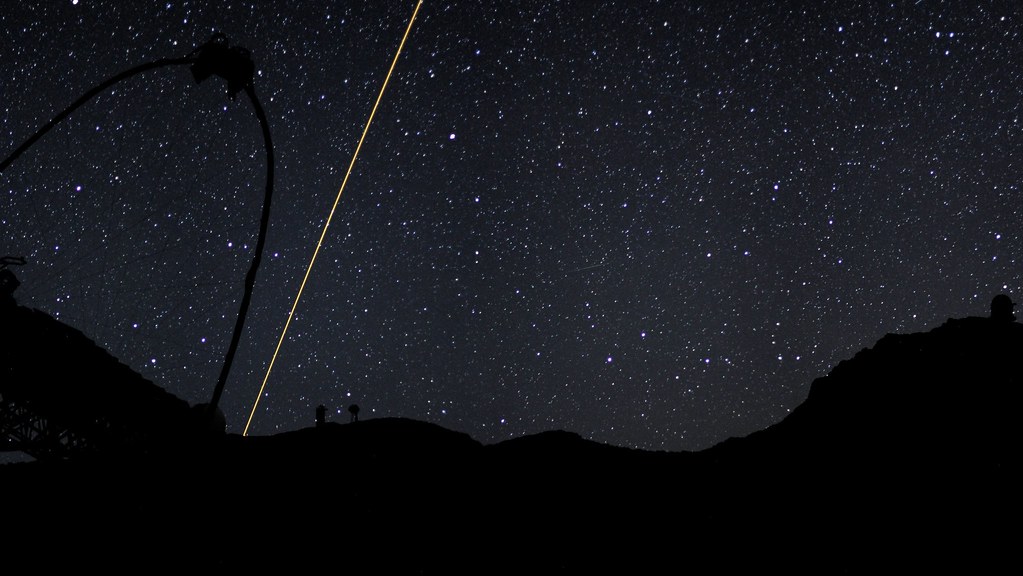
Adaptive optics display. Credit: Oscar Barragán

Roque de los Muchachos. Credit: Oscar Barragán
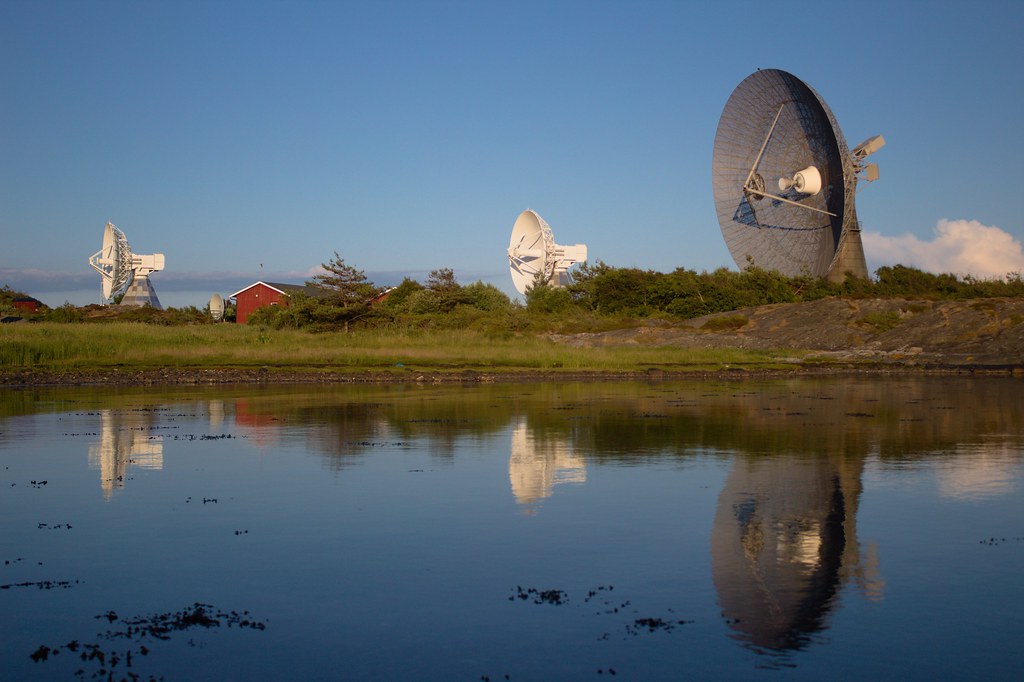
Onsala Space Observatory. Credit: Oscar Barragán
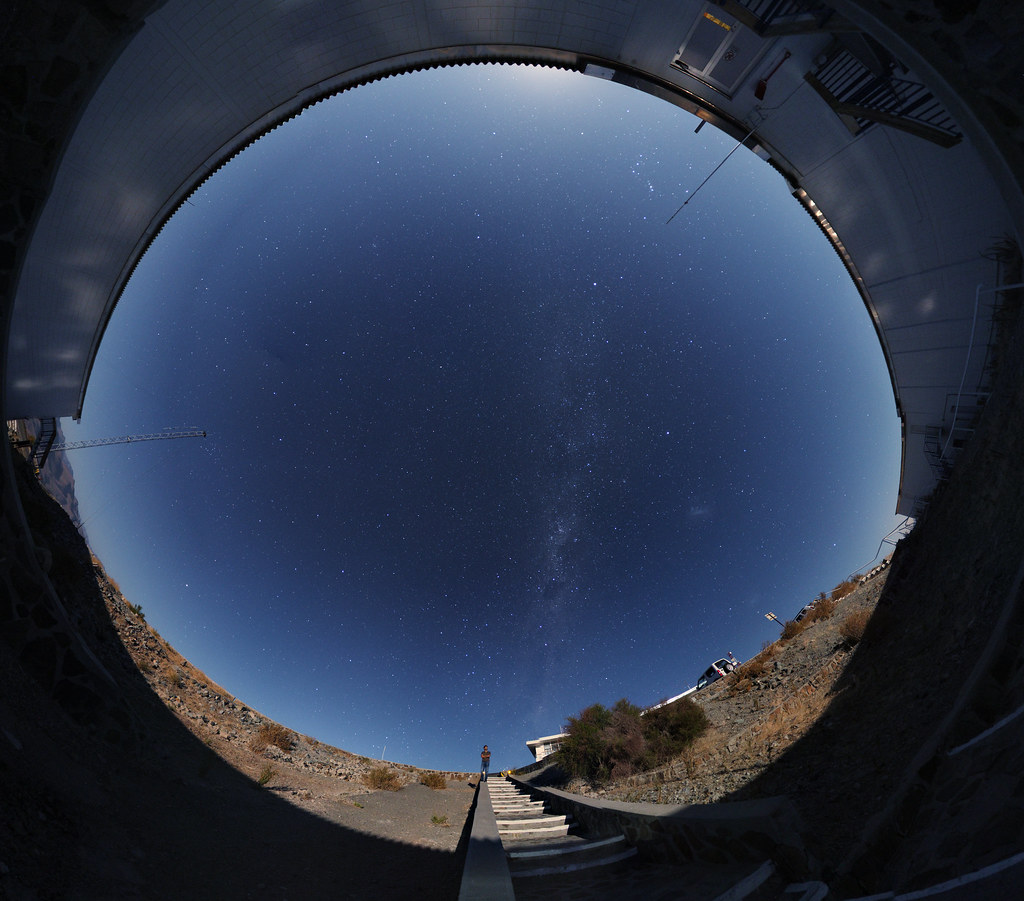
Credit: Oscar Barragán
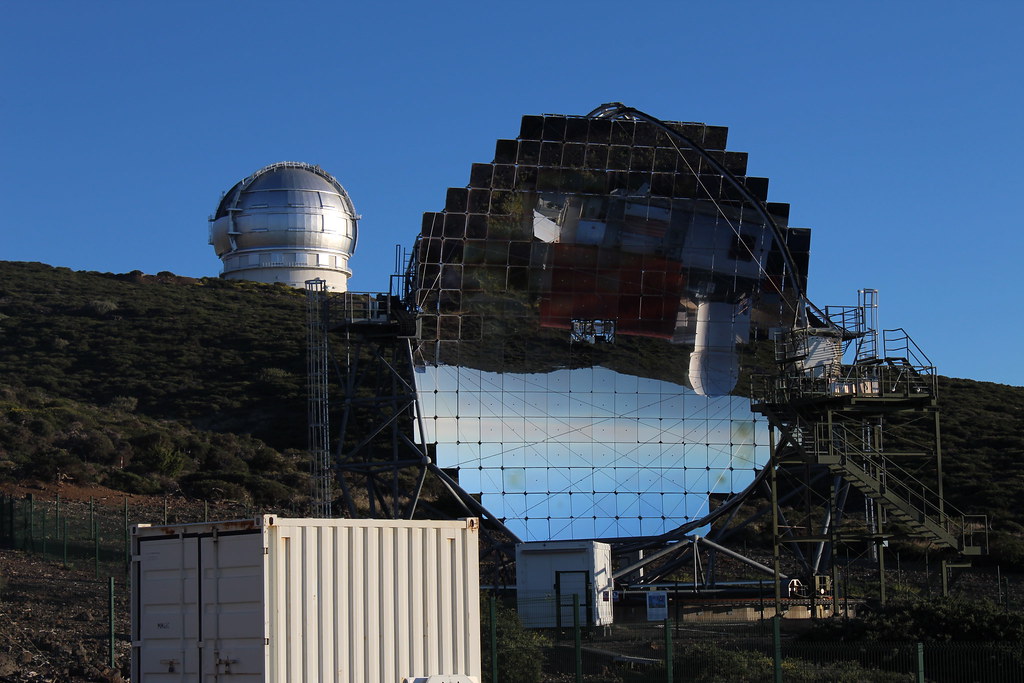
Garafia. Credit: Oscar Barragán

La Silla. Credit: Oscar Barragán
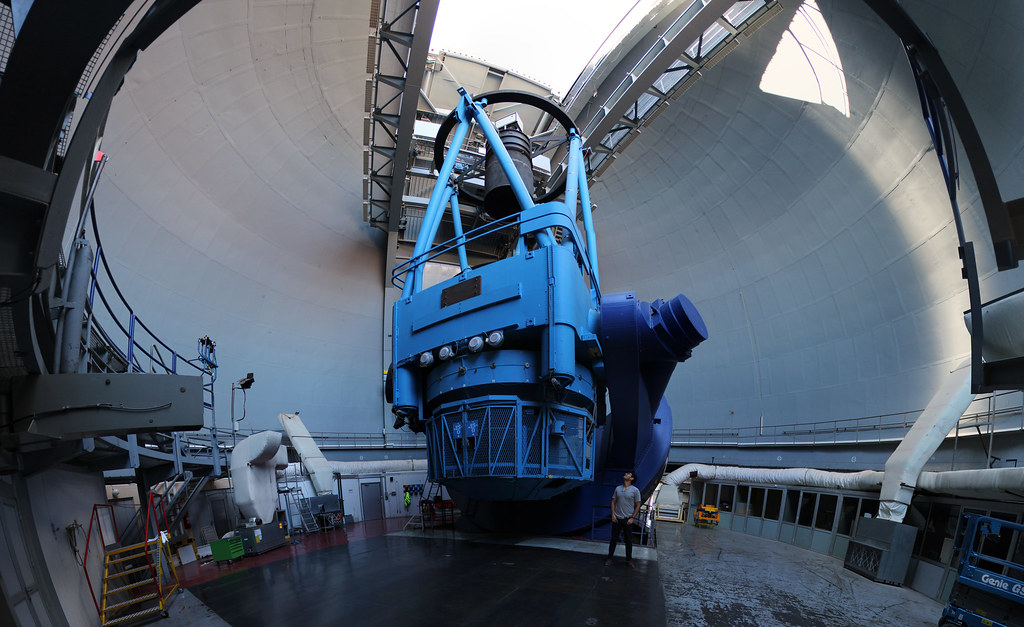
Credit: Oscar Barragán
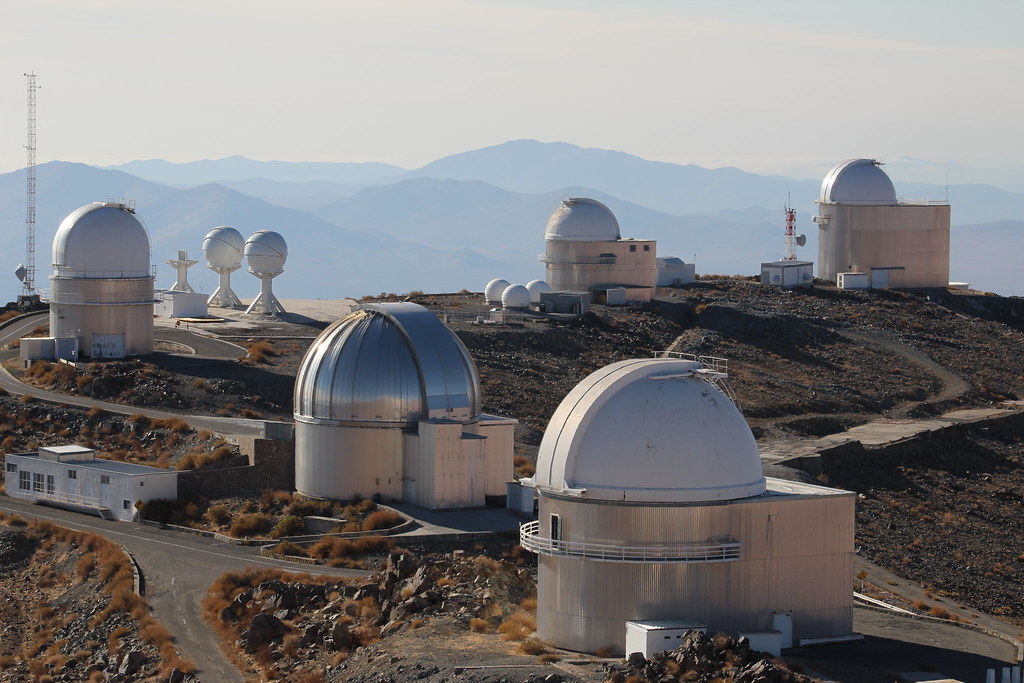
Paisaje astronómico. Credit: Oscar Barragán
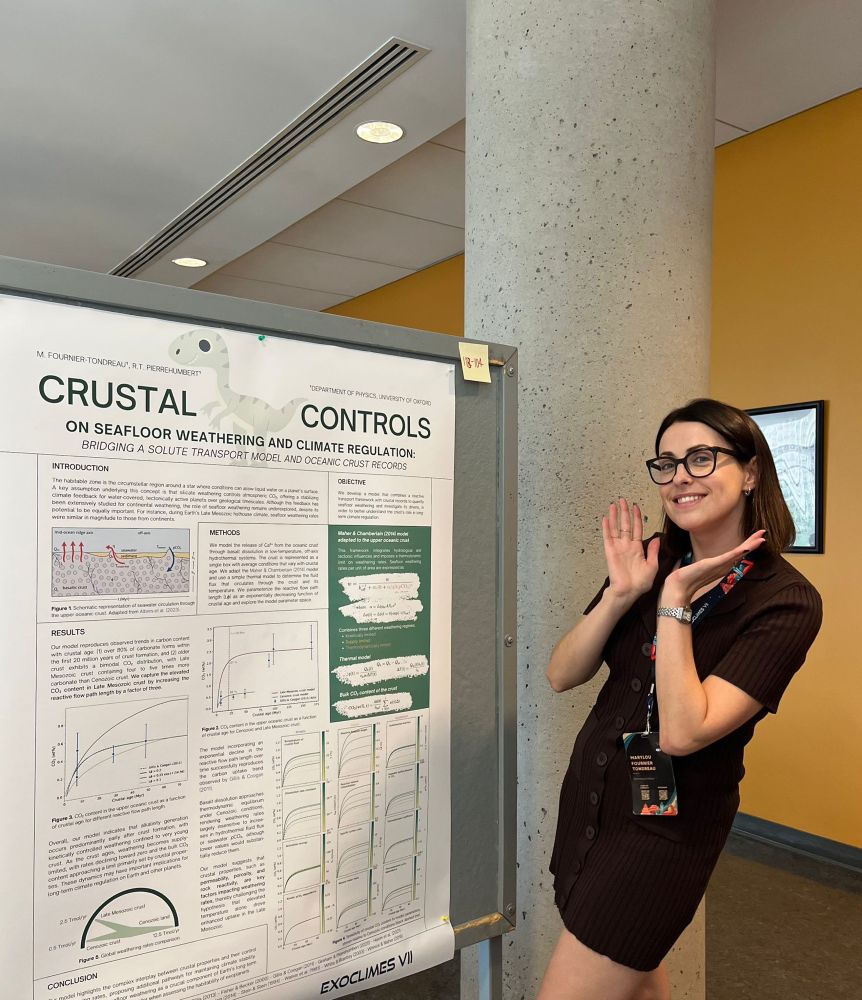
Exoclimes VII conference, Montreal 2025.
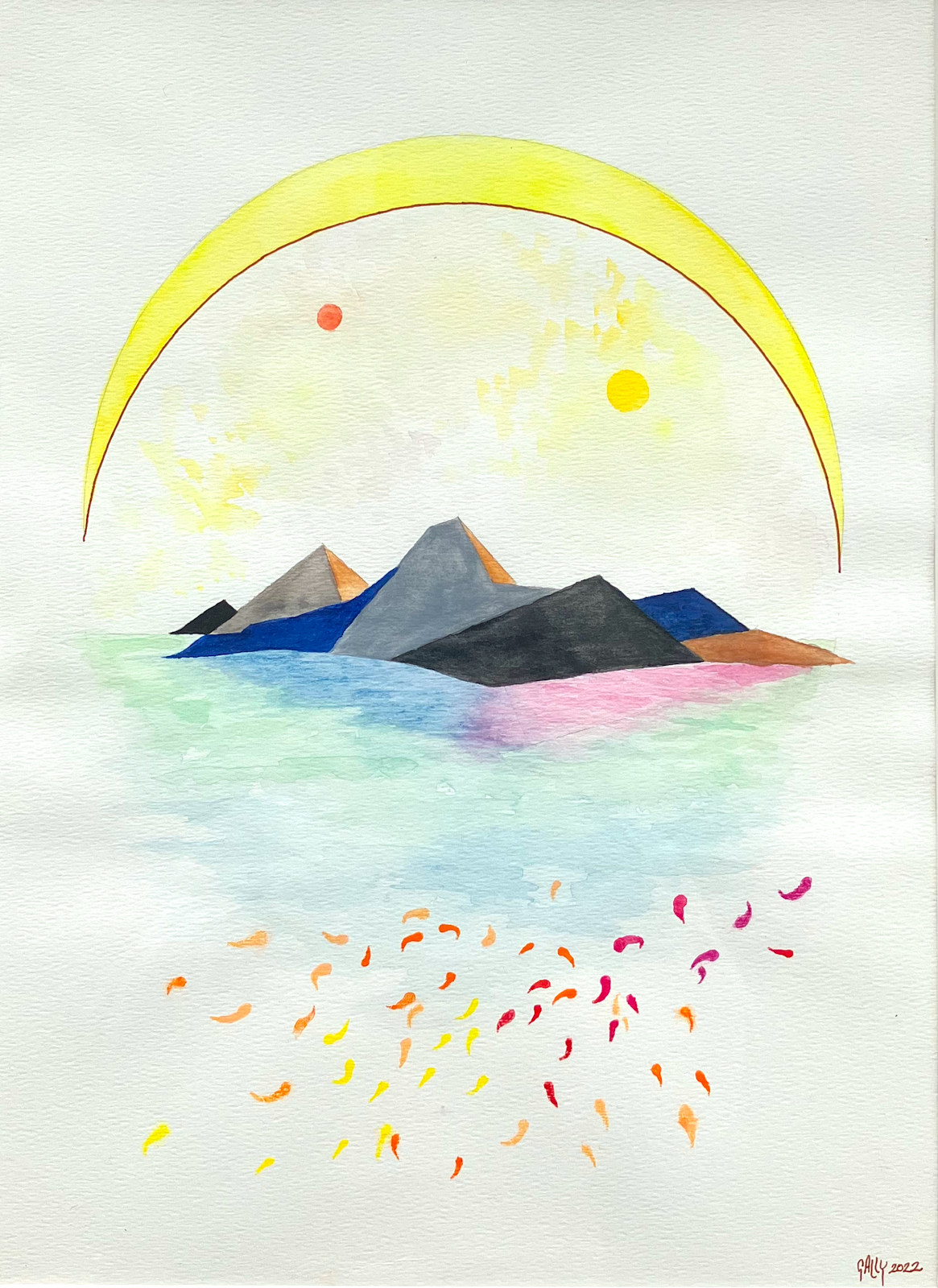
Painting by Sally Blumenthal. A transiting exoplanet from the perspective of the observer. The atmosphere is sulfurous, hazy, and hence yellow. The system is a binary system with a G and M star, so the shadows created when overlapped create a mix (purple). 'Life' emerges in different colours.
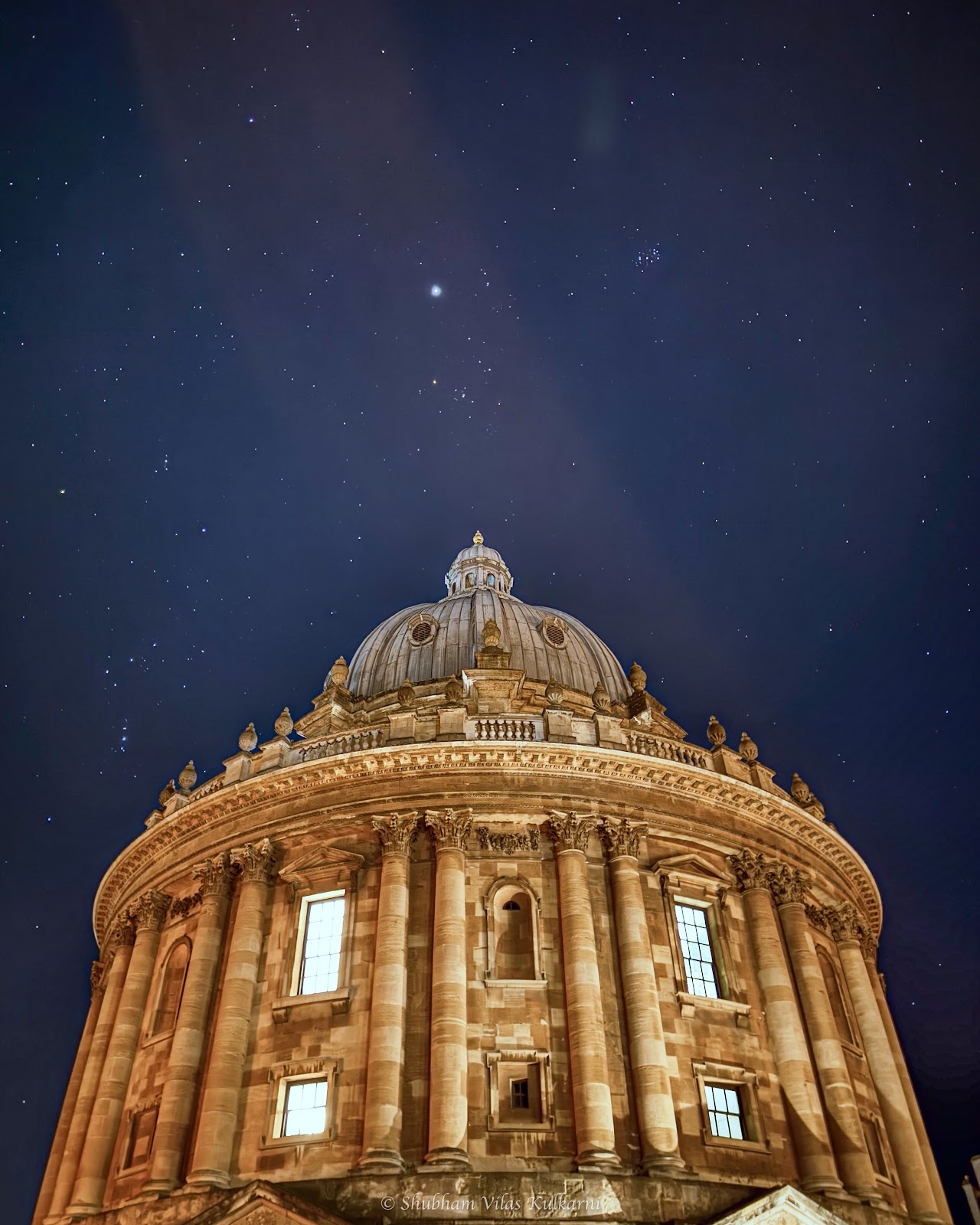
Jupiter, the second brightest planet, commands the night sky above the Radcliffe Camera, with Uranus nearby. Credit: Shubham V Kulkarni (@ox_stars)
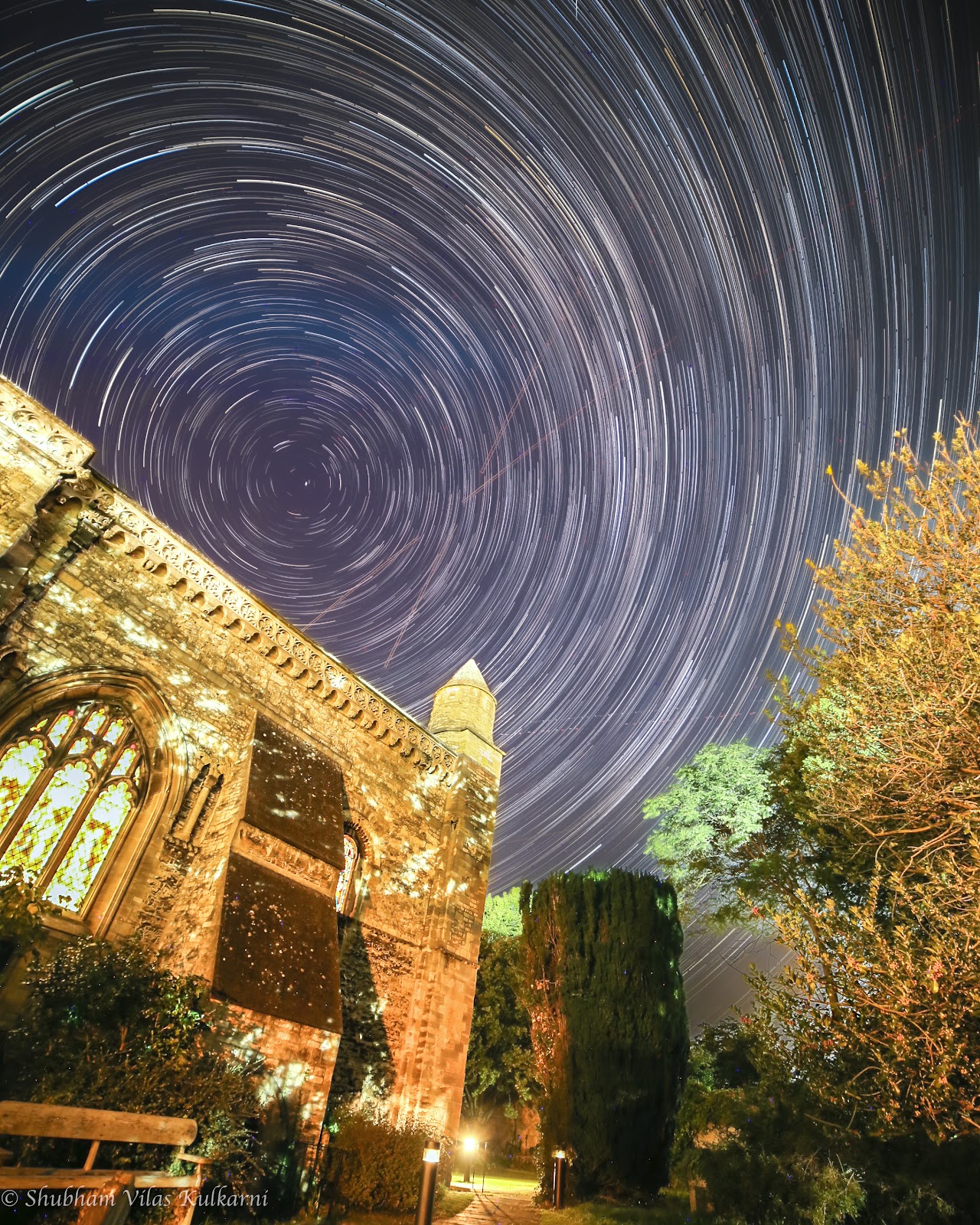
Polar startrails above the St. Edmund Hall library. Created by stacking 300 shots and reducing 8GB of data. Credit: Shubham V Kulkarni (@ox_stars)